Time Management Skills
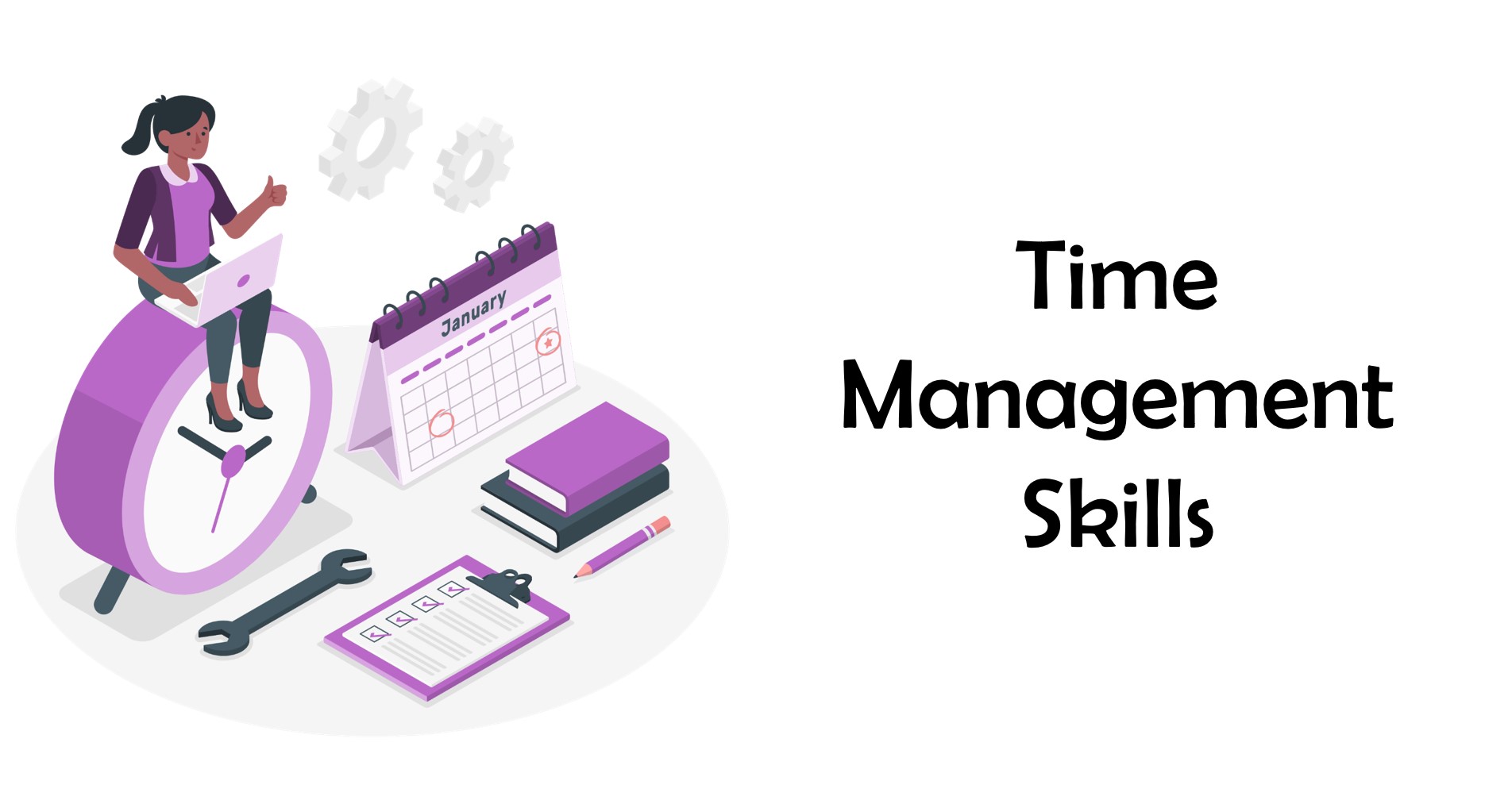
Mastering Time Management Skills: Why They Matter and How to Improve Them
Have you ever reached the end of the day wondering where all your time went? You started with great intentions, maybe even a solid to-do list, but somehow, the hours slipped away. We’ve all been there juggling tasks, fighting distractions, and trying to squeeze productivity out of chaos.
The truth is, good time management isn’t about working nonstop. It’s about working smart. When you learn how to manage your time well, you don’t just get more done you feel more balanced, confident, and in control of your life.
Why Time Management Matters
Time is the one thing we can’t get back. You can always earn more money or regain energy, but once a moment passes, it’s gone for good. That’s why managing time wisely is one of the most valuable life skills you can build.
When you manage your time well, you make space for what truly matters meaningful work, rest, relationships, and personal growth. It’s not about being busy all day. It’s about being intentional with how you spend your hours.
Key takeaway: Time management gives you control over your day instead of letting your day control you.
Learn to Prioritize
One of the biggest mistakes people make is confusing activity with progress. You can fill your schedule with endless tasks and still not move forward. The key is to focus on what truly matters the tasks that align with your long-term goals.
A simple way to do this is by using the Eisenhower Matrix, which separates tasks into four categories: urgent and important, important but not urgent, urgent but not important, and neither. This helps you identify what deserves your attention right now versus what can wait.
- Write down your top three priorities every morning.
- Say no to things that don’t align with your goals.
- Delegate tasks that don’t need your direct involvement.
Tip: Don’t confuse being busy with being productive focus on impact, not activity.
Plan Your Day with Intention
Successful people don’t leave their schedules to chance. They plan their days ahead. Taking 10 minutes each night to map out tomorrow can save you hours of wasted time and mental energy.
You can try time blocking assigning specific chunks of time to specific tasks. This method keeps you focused and prevents multitasking, which often leads to mistakes and burnout. Start your mornings with your most important task when your energy and focus are at their peak.
Tip: Plan tomorrow tonight your future self will thank you.
Leverage Tools That Work for You
Technology can be a powerful ally if used wisely. You don’t need a dozen productivity apps; you just need a few that truly fit your workflow. Google Calendar, Notion, and Trello are excellent tools to schedule tasks and track goals.
If you prefer simplicity, a traditional planner or a sticky note can be just as effective. What matters is that your system helps you stay consistent. Remember, tools should simplify your process, not complicate it.
- Use reminders for deadlines and recurring tasks.
- Set focus timers to work in distraction-free intervals.
- Keep your digital and physical workspace organized.
Tip: The best time management tool is the one you’ll actually use consistently.
Avoid Procrastination
We all procrastinate sometimes, but the trick is not to let it become a habit. Procrastination often sneaks in when a task feels overwhelming. The solution? Break it into smaller, easier steps so you can start moving.
The two-minute rule helps if something takes less than two minutes, do it immediately. Getting quick wins builds momentum and makes it easier to tackle bigger challenges.
Tip: Action kills anxiety start small, start now.
Rest Is Productive Too
Productivity isn’t about working nonstop. Rest is part of the process. Taking regular breaks restores your focus and creativity. You’ll get more done in less time when your mind is refreshed.
Try the Pomodoro Technique work for 25 minutes, then rest for 5. After four sessions, take a longer break. This rhythm keeps your energy levels steady throughout the day.
Tip: Resting isn’t wasting time it’s investing in your next burst of focus.
Final Thoughts
Time management is really about life management. When you learn to spend your hours intentionally, you’ll find balance, clarity, and peace. You’ll stop rushing through your days and start designing them around what truly matters.
Remember, it’s not about doing everything it’s about doing the right things well. Once you master that, your time becomes your most powerful asset.